What is Bipolar Disorder?
There is a misunderstanding about what Bipolar Disorder is. People usually assume it is just a label to describe a moody or negative person.
This is not true and these misconceptions can be very damaging. Bipolar Disorder is more than just being happy or sad. It’s certainly not a character flaw.
We need to put an end to this stigma.
Bipolar disorder, which used to be known as Manic Depression, is a lifelong mental illness is characterised by significant mood swings. It is much more than just a moody person.
Everyone gets mood swings, it’s part of being human.
A person with Bipolar Disorder will experience extreme changes in mood, including:
- Depression: extremely low periods which leave the individual feeling empty or worthless and may include thoughts of self-harm and suicide.
- Hypomania: the individual may feel confident and euphoric but to others they can come across as challenging, impatient or irritable. They may get angry easily. Hypomania might also mean the person does more risky stuff then they normally would, so they may gamble, spend too much money or engage in different sexual behaviours than what is typical for them.
- Mania: this may involve really rapid thoughts for the individual that are disjointed and don’t make much sense. There can be paranoia and psychosis, such as experiencing hallucinations. They person may not realise they are experiencing a manic episode.
These episodes can sometimes last for weeks.
Bipolar is a relatively common disorder, affecting approximately 1 in 100 people in the UK, according to the NHS. It usually develops during adolescence around ages 15-19 years old. It can also develop in later life, though rarely after age 40. It is just as common in men and women alike- impacting people from all different backgrounds. Sadly, it can take a long time to get an accurate diagnosis, which means it is really important to speak out and ask for help if you think this is something you or a loved one experiences.
Can it be treated?
Don’t assume that someone who has Bipolar Disorder is doomed for life to have no meaningful relationships or job. Bipolar Disorder can be managed successfully and there are a few options. Sometimes an individual may use a combination of approaches to help them manage the symptoms.
Firstly, medication; a prescription of ‘mood stabilisers may help manage the experiences of depressive and manic moods. Talking therapies such as Cognitive Behavioural Therapy (CBT) or counselling can also be beneficial and allow individuals feel more in control. They may prompt individuals to spot their triggers or recognise when they are experiencing an episode. Finding local peer groups can be a source of comfort, even if its just to know that you’re not alone.
When it comes to a career, The Equality Act (2010) is a legal framework that ensures people are not discriminated against in the workplace due to disability and a range of other protected characteristics such as gender, race and religion.
Bipolar Disorder can be viewed as a disability as it can be considered a mental impairment with long term adverse effects on an individual’s ability to carry out daily activities. If you have been diagnosed with Bipolar and the effects have lasted 12 months, are likely to last at least 12 months or for the rest of your life, you may be protected by the Equality Act. This means that employers cannot have a duty to make ‘reasonable adjustments’ at work to support employees with Bipolar, to make sure they are not at a disadvantage in the workplace.
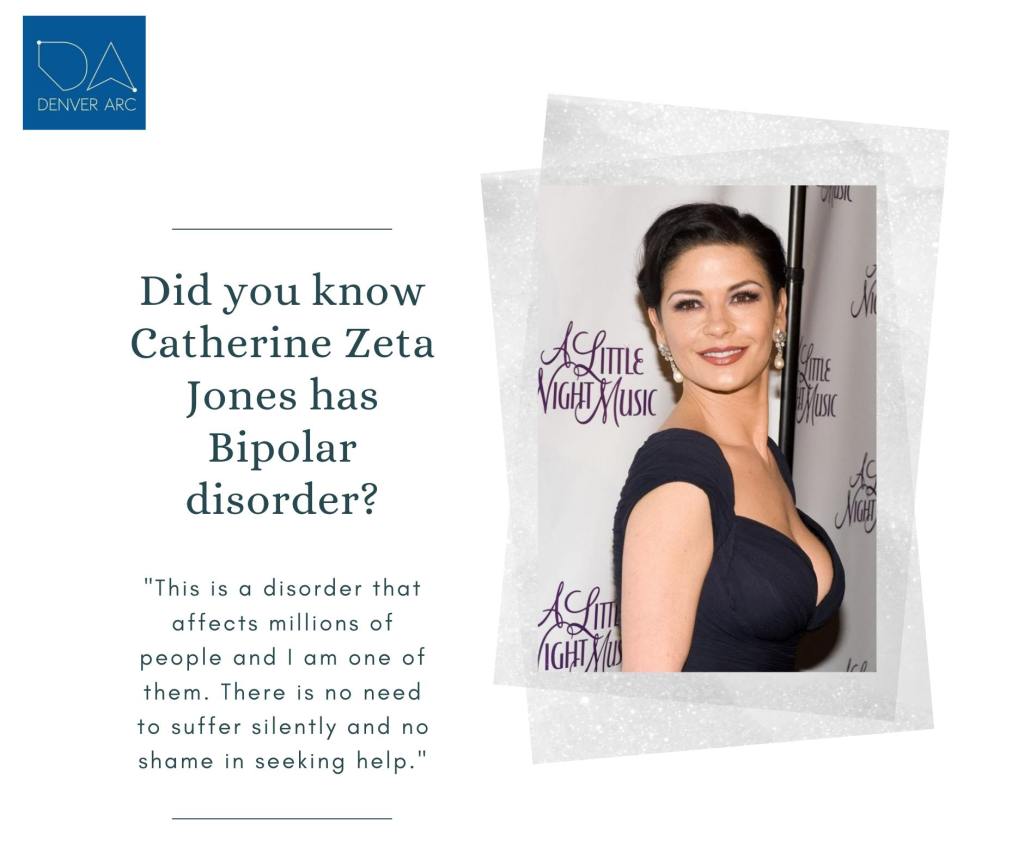
Plenty of people with Bipolar Disorder can have fulfilling lives. Many high-profile celebrities have been diagnosed with diagnosed with Bipolar Disorder such as Catherine Zeta Jones and Mariah Carey, and they have gone on to have huge successes. Accurate diagnosis and treatment can help a person with Bipolar live a normal life.
If you feel like you can relate to the symptoms posted in this blog, please feel safe and encouraged to seek the help of a professional.
If you’d like to anonymously search for mental health services local to you, in the privacy of your own home, check out the Solis mental health directory for a comprehensive list.
If you’d like further information about Bipolar Disorder, or you’d like to find a peer group in your local area, please visit the Bipolar UK website.
By Sarah Lord, Psychology Research Assistant
 Denver Arc