Exciting new research suggests that Artificial Intelligence (AI) is just as good at medical diagnostics as health care professionals when using medical imaging.
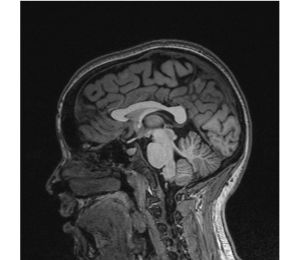
Using a series of complex algorithms AI machines can scan and classify images, potentially diagnosing a range of diseases and cancers. As the NHS is overstretched this could be a promising step forward. It could reduce the strain on and doctors and resources, meaning you get better quality interactions with your doctor.
What was the actual study about?
The study, published in a prestigious medical journal, The Lancet, involved a meta-analysis of existing research. A meta-analysis involves pooling a great deal of data from numerous studies that are already published. It is then re-analysed by experts. This can be really useful to clarify previous research findings and just have a check what progress has been made in the field and what is needed to advance research further.
In this case it was important to get a large scale review of findings as there are lots of conflicting evidence in the literature; nobody could say with confidence how good AI was at this kind of diagnosis.
Original searches for studies to include the meta-analysis brought back over 20,000 potential studies. However, after quality screening only 14 studies stood up to the stringent standards and were included.
How did AI measure up against human health care professionals?
- AI algorithms correctly detected disease 87% of the time -healthcare professionals were correct 86% of the time.
- AI correctly gave the all clear 93% of the time – healthcare professionals were correct 91% of the time.
It seems that AI offers considerable promise for this kind of diagnosis, with the evidence indicating they are at least as good as humans.
New technology could be a crucial advancement for the NHS and healthcare, and one that should be embraced. However, it is important to strive for good quality data and be mindful of the limitations.
The quality screening only deemed 14 studies were suitable to be included. Out of over 20,000, that’s a LOT to exclude. Some may say this is cherry picking the best findings, but I would argue that’s not necessarily the case. To get accurate information, only the most scrupulous and methodologically sound studies can be included in a review like this. But it is worrying that so many didn’t meet such high standards yet were published in the research literature anyway.
One other limitation of this study is that the healthcare professionals were NOT given additional information about the patients. They simply looked at the images. In reality, the human experts would have had a lot more information to help them make their decisions.
This study does pave the way for further studies and more ideas about how we can further improve AI for medical diagnostics. It’s now important that rather than looking back at existing data, that research can provide original data so that the field can really improve. It’s essential that all future research be as stringent as possible following good procedures.
Although I have pointed out a couple of issues, the results are still hugely promising and could save lives. Last month, the government pledged £250 million in funding for an NHS artificial intelligence laboratory. We hope that this will lead to thorough and rigorous research that could have a huge impact for patients and doctors.
At Denver Arc we recognise the potential that new technology can have for enhancing lives. We believe that mental health care is just as important as physical health. The Solis Directory aims to empower individuals through technology, giving them access to local mental health care services in minutes. Using the Solis database you can search for help for any mental health care issue and find services in your area. These all include services you can access yourself, without the referral of a Doctor that could typically take months. You can access Solis in the privacy of your own home, here.
If you are a therapist and you would like to be included on the Solis database for free, please contact:
Leanne.jackson@arcturus.health
We are excited that our next project is ready for clinical testing and will embrace technology and mental health care diagnostics. Keep following our page to find out more!
By Sarah Lord, Psychology Research Assistant
 Denver Arc